
Niche Recipe Books and Their Influences on Modern Cuisine
Chosen theme: Niche Recipe Books and Their Influences on Modern Cuisine. Explore how obscure community collections, micro-regional manuals, and specialist culinary zines quietly reshape restaurant menus, home kitchens, and the way we cook, taste, and talk about food today.
Why Niche Recipe Books Matter Now
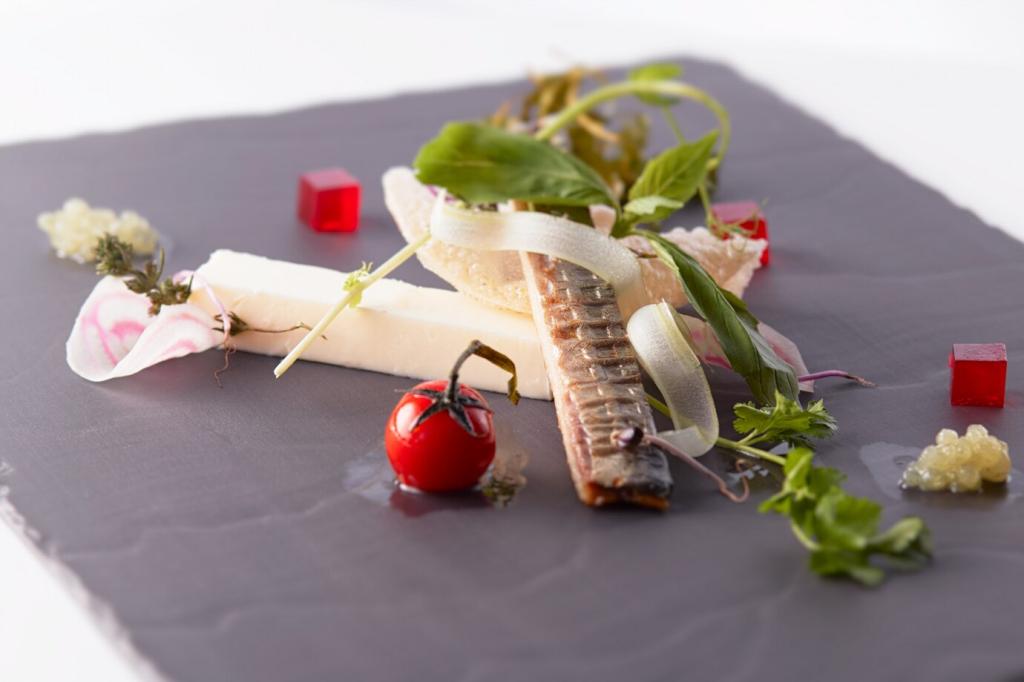
A Lisbon bistro chef told me his most praised sardine dish began in a thin, salt-crusted booklet from Azorean fisherwomen, filled with marginal notes and grease stains. He lifted an old brining ratio, paired it with citrus peels suggested in a footnote, and built a modern tartare that sings of sea wind and memory.
Micro-Regions, Macro Impact
A micro-regional handbook on pane carasau details resting times, humidity cues, and the faintly smoky flavor from specific woods. A pastry chef borrowed its paper-thin logic to reimagine a savory mille-feuille, layering crisp bread with sheep’s yogurt and wild fennel oil, delivering airy architecture and ancient texture in a contemporary bite.

Fermentation zines and kitchen confidence
Small-batch fermentation zines demystify brines, burps, and bloom control with practical photographs and troubleshooting notes. One sous-chef credited a photocopied guide for saving a batch of apricot koji, leading to a delicate glaze that became their signature. Accessible specificity helped them embrace controlled transformation instead of fearing microbial mysteries.
Nixtamal notes that change tortillas and more
A community press booklet on nixtamalization details calcium hydroxide quantities, rinse clarity, and kernel density by variety. Home cooks used it to mill fresher masa, while a bistro translated the knowledge into alkaline-washed chickpeas for nutty hummus. The technique’s science unlocked texture and nutrition far beyond its traditional corn applications.
Clay pots, thermal curves, and tenderness
A monastic text on earthenware discusses soak times, gradual heat ramps, and evaporation rhythms. Reading it, a modern cook learned to manage moisture without constant stirring, producing beans with custardy interiors and undisturbed skins. The pot became both teacher and tool, a patient companion guiding flavor with quiet breath-like simmering.
A synagogue fundraiser book offered a brisket recipe marked only “until ready,” a phrase decoded by elders into texture, smell, and slice resistance. A young chef adopted that sensory language for staff training, teaching cooks to read cues rather than timers, and suddenly their braises gained soulfulness that clocks never delivered.
Foraging and Sustainable Sourcing, Chapter by Chapter
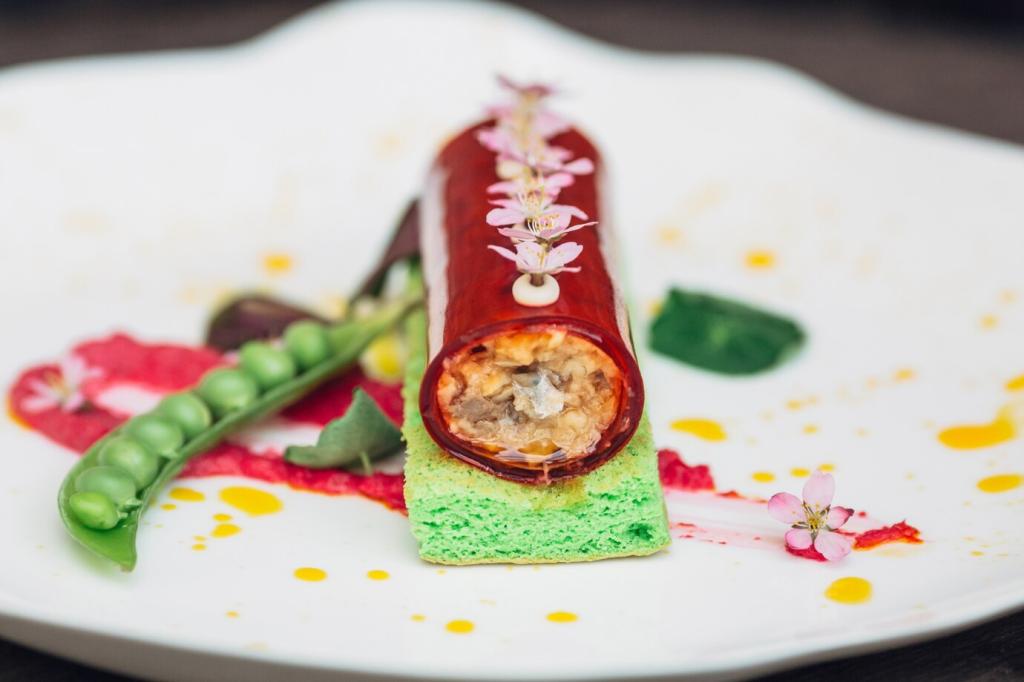
A coastal foraging pamphlet explains safe tides, plant lookalikes, and gentle harvesting of sea herbs. A chef used its advice to garnish raw scallops with pickled sea purslane, adding crisp salinity without extra salt. The booklet’s respectful approach encouraged seasonal restraint, tasting the shore thoughtfully instead of scooping it clean.
A self-published charcuterie guide champions transforms of trim, bones, and skins. Translating it home, readers turned pan drippings into sauces, roasted bones into broths, and crisped chicken skin into toppings. Modern cuisine’s sustainability rhetoric found practical footing, showing that thrift and luxury can cohabit the same bowl beautifully.
A market collective’s booklet catalogues stems, peels, and pods that roast, pickle, or puree superbly. One home cook reported carrot-top pistou over grilled fish after reading a single paragraph. Subscribe to our newsletter for monthly waste-smart recipes we spotlight from niche texts, and share your own peel-to-plate triumphs in the comments.

From Page to Plate: Decoding Obscure Instructions
When a recipe says “flour enough,” weigh successive additions and record hydration until dough feels supple, not sticky. Translate teacups to grams once, then annotate your margins. Over time, your copy becomes a bridge between the author’s kitchen and yours, preserving feel while securing repeatable, delicious outcomes night after night.
From Page to Plate: Decoding Obscure Instructions
If the book calls for a rare herb, list its key roles—aroma, bitterness, or sweetness—and match with accessible counterparts. Track results, noting heat tolerance and infusion time. Authenticity grows from purpose and balance, not strict brand names, letting you honor the recipe’s heart while cooking with what your market provides.